The bearded dragon's tail turned white . Spray your bearded dragon with clean, chlorinated water several times a day. Bearded dragons turn white during normal activities such as vomiting, sleeping and overheating.
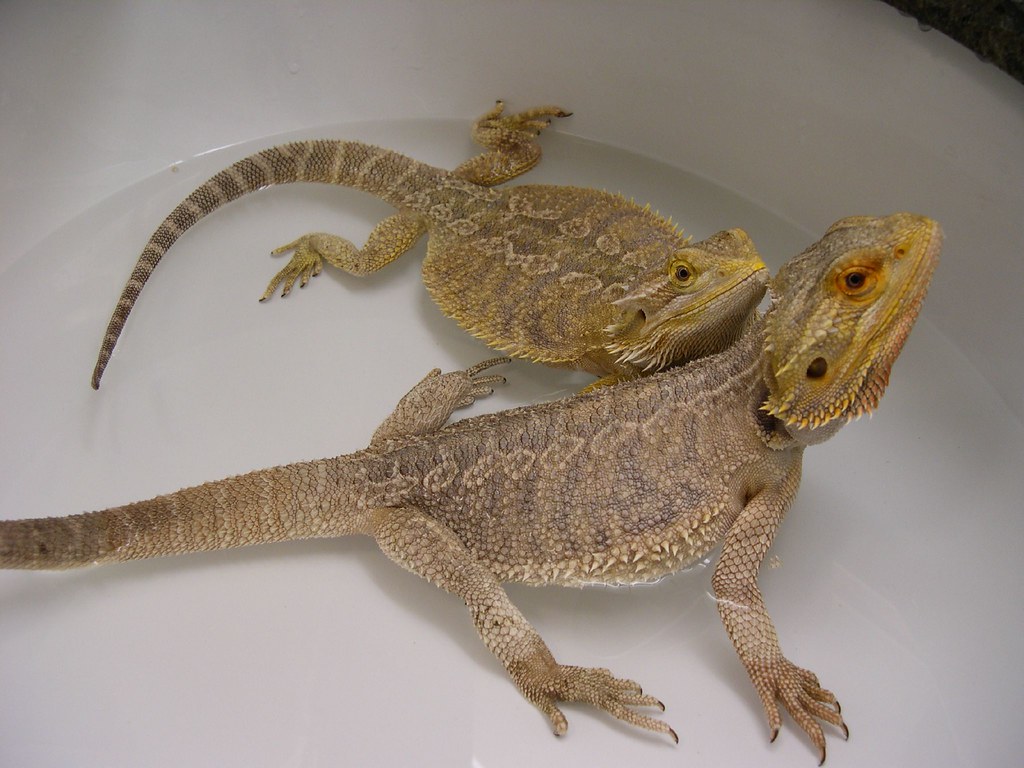
Bearded dragons take baths, so parts of the tail may turn white while the rest look dark. First, find a shallow dish that will allow you to dip the dragon's tail in it. If the bearded dragon's face or head begins to turn white, this is likely a sign of shedding.
Bearded dragons turn white during normal activities such as molting, sleeping, and heat.
Here are some common reasons why a bearded dragon turns white: Reasons for a bearded dragon turning white. Bearded dragon turns white when lost The most common reason for beards turning white is spoilage.
Why is a bearded dragon dark (black) or light (white)?
Turning white or pale and lethargic is a sign of death. Spray your bearded dragon with clean, chlorinated water several times a day. Yellow spots on the white part of the buttocks (urine) may indicate problems with hydration.
The most common reason for a bearded dragon to turn white is to lose it.
If a bearded dragon's tail has rotted, the affected part of the tail will turn black. It is often seen in young bearded men as they grow up. Watery, sweet-smelling, foul-smelling stools.
Treating tail rot with their own hands at home.
First, find a shallow dish that will allow you to dip the dragon's tail in it. The affected part of the tail dries up. A good rule of thumb is to be able to submerge the tail one inch above visible tail rot so that it is completely submerged.
We know that molting is a common occurrence in the life cycle of reptiles, so bearded dragons damage the skin.
Although the change is true in most cases, there are times when it can be abnormal. The various reasons why a bearded dragon turns white are given below: